


If you want to build an A-team, stop micromanaging your employees.
I hate managing by nagging. It’s usually counter-productive, and it doesn’t contribute to a great team environment. I’ve found through owning my own business and working with others that using scorecards and metrics is a better approach. It allows everyone to understand the organization’s main objectives. And when scorecards and metrics are properly aligned with company objectives, the results can be powerful.
These aren’t external metrics that you share with investors or in press releases. It’s about internal scorecards used to make sure your whole team is pulling in the right direction and that everyone’s contributions can be systematically assessed. The metrics you come up with should be specific to your business and its stage. If you’re an early-stage startup, your metrics might focus more on getting and keeping users/subscribers/clients. If you’re in the scaling up phase, they will probably skew more toward consolidating your customer base, expanding into new markets, and developing beneficial business partnerships.
Here are some tips for coming up with your performance metrics and using them to drive business results.
Set Your Metrics
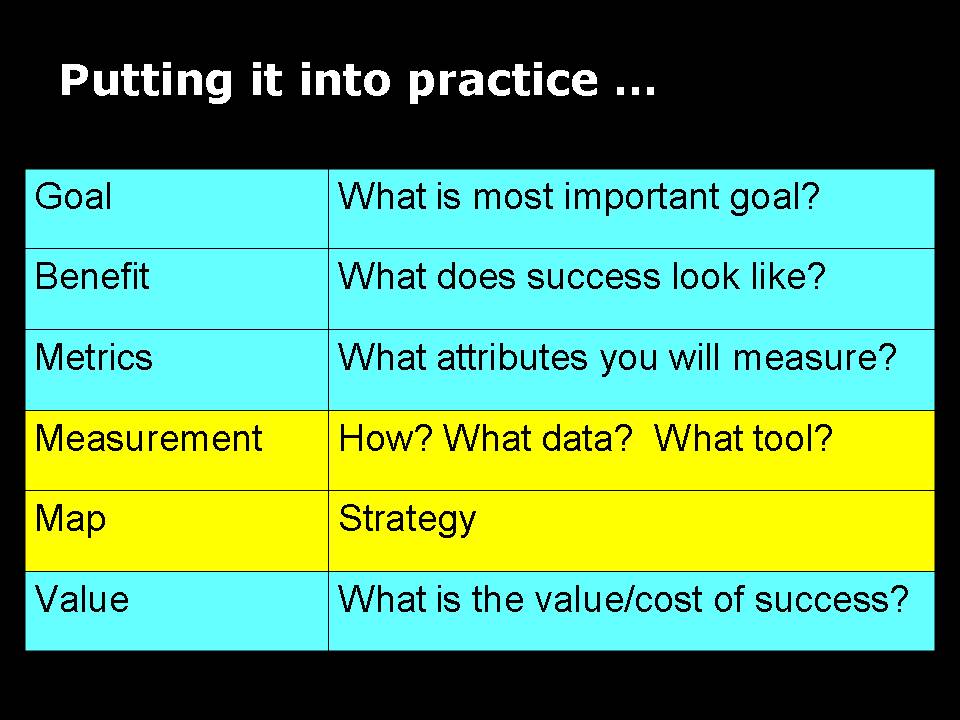
It’s better to hone in on a limited set of impactful measures than to create a laundry list of every possible performance dimension. Zero-in on metrics that really drive your company’s performance. These could include the number of weekly sales calls made, the number of accounts closed per month, monthly conversion rates on prospects, or success cross-selling additional services to existing clients. When you develop your scorecard, take the opportunity to touch base with your team on what metrics they see as most important. This will help you get their buy-in.
Communicate Early and Often
Using a specific set of measures to assess performance usually leads to failure, unless you make an effort to ensure employee engagement. The tricks to doing this include transparent communication of why you’re introducing this, clearly describing the process, and providing an opportunity for your team to air concerns and make suggestions.
Measure, Measure, Measure
As they say, “what gets measured gets done.” You absolutely must measure your team’s performance against the metrics you’ve set on a regular basis. Measuring and regularly reporting on the results gets everyone focused on the outcome. You should also consider how you want to communicate the results. Will you share them individually by email, over the phone or in person? Or do you want to publicly post scorecards, relying on peer pressure and competitive instincts to help spur performance? How often will you communicate performance results?
Give It Some Teeth
Tie results into performance reviews, discussions around raises and promotions, and account allocation decisions. I like to take a carrot-and-stick approach by balancing rewards with repercussions. You can structure it in different ways: scaling rewards based on the size of the accomplishment, or offering greater incentives to individual team members who work together to hit team goals. But make sure people understand that nobody is exempt from meeting goals. And be sure you address compliance in a manner that’s consistent with your company values.
Reevaluate
Constantly track that the measures you set tie into your bottom-line: growing your sales and generating cash flow. Even when that’s the case, you’ll eventually find that you’ve grown out of your initial metrics. Maybe that’s because they’ve become too easy to meet or they no longer reflect your long-term business direction. Once you reach this point, you should go through a process similar to your initial one and come up with new, more relevant metrics.
The Young Entrepreneur Council (YEC) is an invite-only organization comprised of the world’s most promising young entrepreneurs. In partnership with Citi, YEC recently launched BusinessCollective, a free virtual mentorship program that helps millions of entrepreneurs start and grow businesses.
Image credit: CC by Cambodia4kids.org